
Ledger® Live: Desktop® — Getting Started | official Ledger™
Explore Ledger Live Desktop to monitor balances, review holdings, and manage supported accounts from your computer.
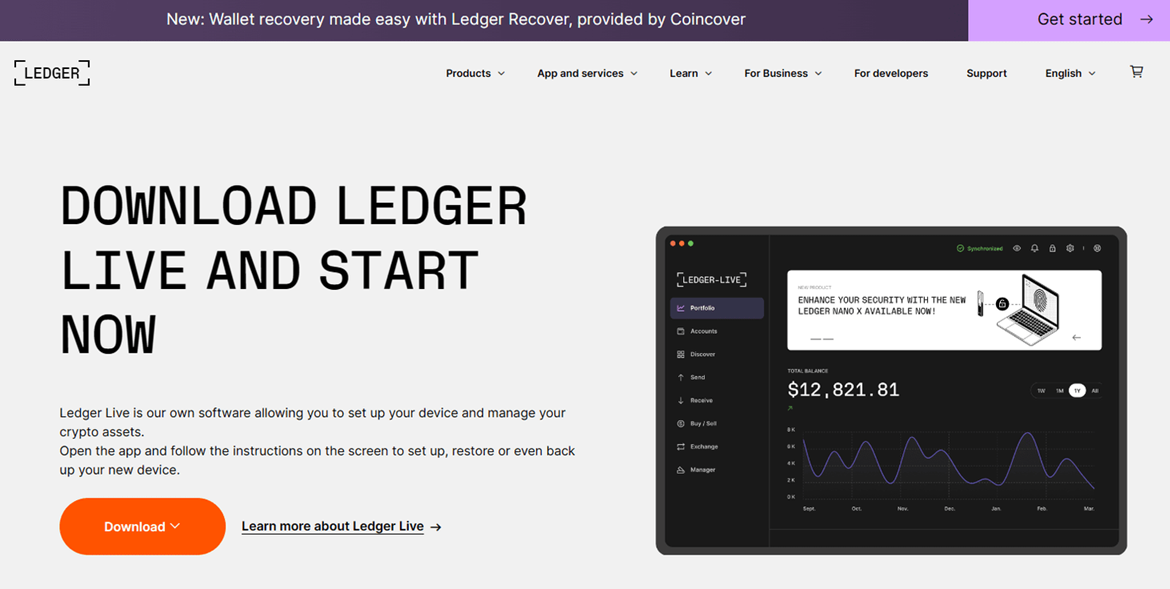
Ledger Live Desktop: Create a More Secure Routine for Everyday Crypto Management
A reliable cryptocurrency workflow should combine convenience with careful security decisions. Ledger Live Desktop provides a desktop environment for managing supported crypto accounts and interacting with compatible Ledger hardware wallets. For users who prefer desktop-based management, understanding the role of the software and device can make everyday tasks more organized.
What Makes a Desktop Wallet Workflow Useful?
A desktop application can provide a practical workspace for reviewing balances, checking account activity, and managing supported digital assets. Rather than switching between several unrelated services, users can work within a dedicated environment.
Ledger Live Desktop works alongside compatible hardware wallets. The application provides management tools, while the physical device remains important for sensitive operations and transaction approvals.
Begin With a Trusted Environment
Before opening a wallet application, make sure the software has been obtained from a trustworthy source. Avoid unofficial downloads, suspicious advertisements, unknown file-sharing pages, and unexpected wallet-related links.
A secure workflow starts with knowing exactly which software you are installing and where it came from.
Key Benefits of Ledger Live Desktop
Organized Account Management
Supported accounts can be viewed and managed through a centralized desktop interface, making routine monitoring easier.
Hardware Wallet Interaction
Compatible Ledger hardware can be connected when supported actions require physical device confirmation.
Convenient Portfolio Review
A larger desktop interface can make it easier to inspect account balances and transaction activity.
More Careful Transaction Approval
Users can review transaction information and confirm important details on their hardware wallet before authorizing a supported transfer.
Protect Your Recovery Information
A recovery phrase should always remain private. It is not information that should be provided to a website, application, email sender, or support representative.
Keep recovery information stored securely offline and never upload it to cloud storage or save it as a screenshot.
If someone asks for your recovery phrase to fix a wallet, verify an account, or restore access, treat the request as fraudulent.
Make Transaction Verification Routine
Before confirming a transfer, carefully review the destination address, amount, network, and other transaction information shown on the hardware device.
Do not rely solely on the computer interface. If the details displayed on the device do not match your intended transaction, stop and investigate.
Secure the Computer
Your desktop environment also deserves attention. Keep the operating system updated, avoid unknown software, and be cautious with browser extensions and downloaded files.
Never install remote-access software because an unsolicited person claims they need to troubleshoot your wallet.
Identify Phishing Attempts
Phishing campaigns may imitate wallet websites, account notices, or technical-support pages. Scammers can use urgency to make users act without checking the source.
Be suspicious of unexpected messages asking you to verify your wallet, reveal confidential information, or download an unfamiliar application.
Conclusion
Ledger Live Desktop can help users create an organized desktop workflow for supported cryptocurrency management. Combining its interface with compatible hardware, trusted software, careful transaction checks, private recovery information, and strong computer security can support safer everyday self-custody practices.
Additional Resources
- Hardware wallet security guidance
- Recovery phrase protection
- Transaction verification tips
- Desktop security practices
- Cryptocurrency phishing awareness
Updated about 5 hours ago